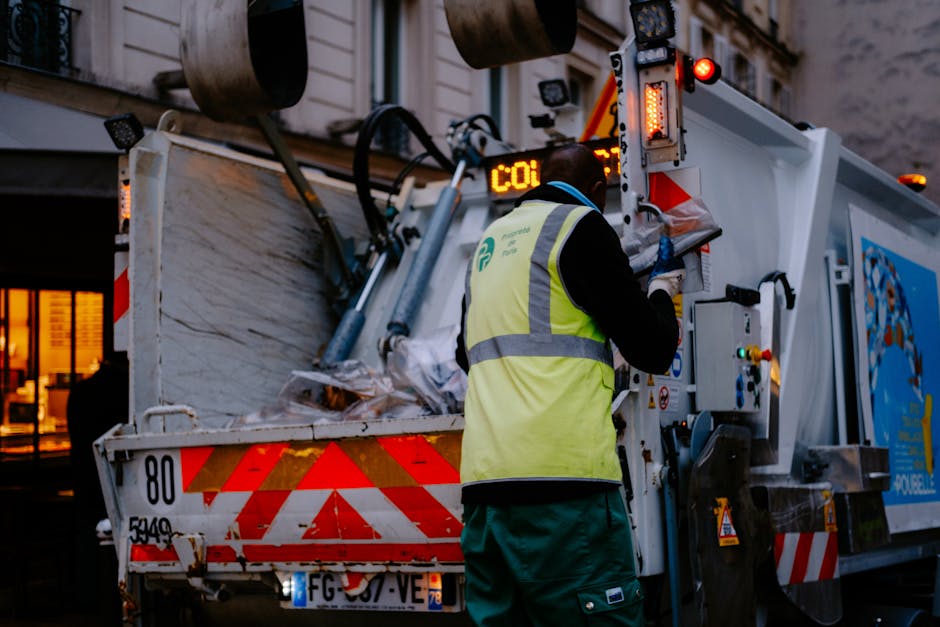
Waste carrier rules and fines for Putney removals

If you are planning a move in Putney, waste carrier rules and fines can feel like one more headache on an already busy day. Boxes everywhere, a van booked, keys to hand over, and then the awkward question: what happens to the old sofa, broken wardrobe, or bag of mixed junk you do not want to take with you? That is exactly where the rules matter. In simple terms, if a removal team takes away waste, they need to handle it properly, and if they do not, the costs and penalties can land on someone in the chain.
This guide breaks down Waste carrier rules and fines for Putney removals in plain English. You will see what the rules mean, how to spot a compliant provider, what can go wrong, and how to protect yourself from avoidable fines. It is practical, local, and designed to help you make a sensible choice rather than a rushed one. Truth be told, a little diligence here can save a lot of stress later.
Why waste carrier rules and fines matter
Waste carrier rules exist to stop rubbish being dumped illegally, burned in the wrong place, or passed around without proper control. For removals, that matters because a move often creates waste as well as transport work. Old furniture, packaging, damaged household items, office clutter, and end-of-tenancy rubbish all need a clear route.
In Putney, that can be especially relevant because many moves happen in flats, shared houses, converted terraces, and busy residential streets. Space is tight. Parking is awkward. And people sometimes assume "it is just a couple of bits, no big deal." But the law does not really work on vibes. If a carrier takes waste away without the right registration or without handling it properly, fines can follow. And if you hand waste to someone who then fly-tips it, you may still have questions to answer about who gave it to them.
That is the bit many people miss. The risk is not only for the company. It can also affect the customer if they failed to check who was collecting the waste, where it was going, or whether the mover was behaving like a proper waste carrier.
Expert summary: If your Putney removal involves anything that counts as waste, not just transportable belongings, you should treat the job like a compliance check as well as a move. A few careful questions up front are worth far more than dealing with a fine later.
How waste carrier rules and fines for Putney removals work
Waste carrier rules in the UK generally require anyone transporting controlled waste as part of a business to be properly registered and to handle that waste responsibly. The exact obligations depend on what is being moved, who owns it, and whether it is still a reusable item or has become waste. That distinction sounds small, but it matters a lot.
For example, a second-hand dining table being moved to storage is not the same as a broken one being taken away for disposal. A bag of unpacked household rubbish is waste. An old fridge left on the pavement is waste. Packaging from a removal job may be waste if it is being removed for disposal rather than kept for reuse. Once the line is crossed, the carrier needs to treat it properly.
In real life, most problems come from blurred arrangements. Someone says they will take "a few extra bits," the customer assumes it is included, and the mover later treats it as general rubbish. If the business does not have the right waste carrier registration, or the waste is dumped, the fines and enforcement action can escalate quickly.
Fines can be issued for illegal waste transport, fly-tipping, or failure to comply with environmental rules. The size and form of the penalty depend on the circumstances, and it is safest not to assume that a small job means a small consequence. Even a minor disposal mistake can become a bigger issue if the waste ends up in the wrong place.
It also helps to understand the paper trail. A responsible removal company should be able to explain what it is taking, what it is not taking, and where non-reusable waste goes. If they cannot answer those basics clearly, that is a warning sign. Not dramatic, just useful. And worth listening to.
Key benefits and practical advantages
Getting the waste side right is not only about avoiding penalties. It makes the whole move smoother. When removals and waste handling are organised properly, you get less confusion on moving day, fewer last-minute surprises, and better control over what is going into the van.
- Cleaner moving day: You know what is being moved, what is being disposed of, and what is staying behind.
- Lower risk of penalties: Properly registered waste carriers reduce the chance of enforcement headaches.
- Better accountability: A clear process makes it easier to resolve disputes if something goes wrong.
- More efficient loading: Separating waste from reusable items saves time and protects your belongings.
- Improved sustainability: Reuse, recycling, and responsible disposal usually beat the "just chuck it in" approach.
There is also a human benefit that is easy to overlook: peace of mind. Moving house or office is already noisy, rushed, and a little disorienting. You do not need the mental clutter of wondering whether the old mattress in the hallway is going to create a compliance problem later. Once you know the waste is being handled correctly, everything feels lighter.
If you are comparing providers, this is one of the quieter signs of professionalism. A company that takes compliance seriously usually takes your move seriously too. It tends to show up in the way they quote, pack, protect floors, and manage time. You notice these things when the boxes start piling up.
Who this is for and when it makes sense
This topic matters to almost anyone moving in Putney, but it is especially relevant in a few situations:
- Homeowners or tenants clearing out unwanted items before moving day
- People booking a man with a van for mixed transport and disposal
- Landlords and letting agents arranging end-of-tenancy clearances
- Students leaving furnished or shared accommodation
- Businesses relocating offices and disposing of old equipment or furniture
- Anyone using removals services that may include uplift of unwanted items
It also makes sense if you have a tight deadline. For instance, maybe the council collection window does not fit your schedule, or you need to be out before noon and there are still bits of furniture to clear. In those cases, the temptation is to say yes to the first van that turns up. I get it. But a quick check on compliance is far cheaper than relying on guesswork.
If the job is mainly transport, you may be fine with a standard moving service. If waste removal is part of the job, the question changes. You are not just hiring a van. You are handing over responsibility for disposal too.
Step-by-step guidance
Here is a sensible way to handle waste carrier checks before or during a Putney removal.
- Separate what is moving from what is waste. Walk through the property and split items into reusable belongings, recycling, and rubbish.
- Make the disposal list visible. Write down what needs taking away so it is clear to both sides.
- Ask whether the carrier is registered to carry waste. You do not need a legal lecture; you need a straightforward answer.
- Confirm where the waste will go. Responsible companies will explain whether it is being reused, recycled, or disposed of appropriately.
- Check the quote wording. Make sure waste uplift, labour, loading, and disposal expectations are understood before the van arrives.
- Keep a simple record. Save the booking confirmation, messages, and any notes about what was taken.
- Inspect the handover. Before the team leaves, make sure the agreed items have been removed and nothing important has gone missing.
A quick example: you are moving out of a flat near Putney High Street and have a broken wardrobe, a desk, cardboard, and three bags of general waste. If the company says they will take it all, you should clarify whether that includes disposal and how they manage it. If they hesitate, that hesitation tells you something. Usually enough, honestly.
For larger or more complex moves, you may also want to look at home moves support or, if it is a business property, commercial moves. Those services can be easier to manage when the job includes both transport and clearance.
Expert tips for better results
There are a few habits that make a big difference in practice.
- Do not mix "might keep" items with actual waste. If an item could still be reused, set it aside. Once waste gets mixed in, things get messy fast.
- Take photos before collection. It is simple, a bit boring, and very useful if there is ever a dispute.
- Be specific about awkward items. Mattresses, broken furniture, paint, appliances, and electronics all deserve a separate conversation.
- Use a written quote where possible. Clear wording reduces misunderstandings on the day.
- Ask about reuse and recycling. Even where disposal is needed, responsible handling is usually the better option.
One thing people often overlook is stairwell and access time. In a Putney terrace or mansion block, the first problem is not the waste itself. It is how long it takes to move it. If the route is long, the lift is tiny, or parking is tight, the carrier has to plan differently. That planning often affects cost, and it can affect whether waste is handled neatly or rushed.
If you need packing help as part of the same job, services like packing and boxes or packing and unpacking services can reduce last-minute pileups. Less chaos equals fewer mistakes. Simple, but true.
Common mistakes to avoid
The mistakes here are usually basic, but they are the ones that cause the most trouble.
- Assuming every mover can take waste. A removal van is not automatically a lawful waste carrier.
- Not checking what the quote includes. Disposal fees, loading time, and extra items can all change the picture.
- Leaving items outside without agreement. That can create security, access, and liability problems.
- Handing over mixed rubbish without clarity. Mixed loads are harder to track and easier to mishandle.
- Relying on verbal promises only. A quick message or email creates a far better record.
- Using a cheap provider without asking the obvious question. Cheapest is not always disastrous, but sometimes it is. Let's face it.
There is also a subtle mistake: people sometimes assume that if waste is taken from their property, they are automatically off the hook. Not always. If you knowingly give waste to someone who is not acting properly, that can become a problem. It is a modest bit of admin now, but it can save you a very unmodest bit of regret later.
Tools, resources and recommendations
You do not need a stack of complicated documents to stay on top of this. A few practical tools are enough.
- Photo checklist: Before and after images of the items to be removed.
- Item list: A short written list of waste versus keepers.
- Quote notes: Record what was agreed, especially for mixed removal and disposal jobs.
- Access notes: Lifts, stairs, parking restrictions, and any loading bay details.
- Booking confirmation: Keep all messages in one place so nothing gets lost in the rush.
For many households, the best starting point is simply choosing a company that is transparent about process and pricing. Pages like pricing and quotes can help you understand how a provider structures its work, while terms and conditions usually show what the company expects from both sides.
If your move involves bulky items that are awkward to lift or dispose of, the relevant service may be furniture removals or even furniture pick up if the items are going for reuse, not disposal. That distinction matters a lot more than people think.
Law, compliance, standards and best practice
In plain English, the compliance side is about proving that waste is being carried and dealt with by a legitimate business acting responsibly. For Putney removals, best practice usually means the provider can explain:
- whether they are registered to carry waste when the job includes waste;
- what counts as reusable goods and what counts as waste;
- how they separate different material types where relevant;
- where items are taken after collection;
- how the customer should prepare items to avoid confusion.
You do not need to become a compliance specialist. You just need enough clarity to make a safe decision. If a company is vague, defensive, or oddly casual about waste, that is not a good sign. In our experience, the good operators are usually the calm, boring ones here. They answer questions directly and move on.
Good practice also includes insurance awareness. Waste handling may sit alongside damage risk, lifting risk, and access risk, so it helps to understand the company's insurance and safety approach and its health and safety policy. That does not solve every problem, but it shows the business has thought beyond the booking form.
And if sustainability matters to you, it should, there is real value in choosing a company that explains its recycling approach. You can usually see that thinking reflected in a page like recycling and sustainability.
Options, methods, or comparison table
Not every move needs the same setup. Sometimes you just need transport. Sometimes you need transport plus waste uplift. Sometimes you need a more structured removal service. Here is a simple comparison.
| Option | Best for | Waste carrier risk | Practical notes |
|---|---|---|---|
| Standard removals | Mainly moving belongings | Low if no waste is involved | Best when everything is packed and going with you |
| Removals with clearance | Moves that include unwanted items | Medium | Needs clarity on what is waste and where it goes |
| Furniture pick up | Reusable items for collection | Low to medium | Useful when items are still in usable condition |
| Self-managed disposal | Small amounts of waste you can handle yourself | Low for the move, higher for your own effort | Can be time-consuming and awkward in Putney traffic |
If you are not sure which route fits, a quick conversation usually settles it. For smaller jobs, a man with a van or man and van service may be enough if the provider is clear about what they can legally carry. For larger or more structured jobs, a dedicated removal services approach is often easier to manage.
Case study or real-world example
A couple moving out of a Putney flat had two armchairs, a broken desk, five bags of mixed household waste, and several boxes of books to keep. At first they assumed everything could just go in one load. Simple enough, right? But once they started sorting, the picture changed.
The books were kept for storage. The chairs were checked for reuse. The broken desk and mixed waste were flagged as disposal items. The removal team explained the difference clearly and separated the job into what could be moved, what could be collected for reuse, and what needed responsible disposal. That meant fewer surprises, cleaner loading, and no panic at the door when time was tight.
The lesson? A small amount of sorting at home can dramatically reduce risk. The couple did not need a big complicated system. They just needed a conversation before moving day and a little discipline with the pile in the hallway. By the afternoon, the place felt calm again. Slightly echoey, even. Much better than a jumble of half-packed boxes and uncertain rubbish bags.
Practical checklist
Use this quick checklist before booking or on the day of your Putney removal.
- Have I separated keep items from waste?
- Have I asked whether the company can legally carry waste if needed?
- Do I know which items are being reused, recycled, or disposed of?
- Is the quote clear about uplift, labour, and any waste handling?
- Have I shared access details such as stairs, parking, and lift restrictions?
- Have I taken photos of valuable or disputed items?
- Do I know what time the team is arriving and how long the job should take?
- Have I saved the booking confirmation and messages?
- Do I understand what will stay behind and what will go?
- Have I checked the company's about us page so I know who I am dealing with?
If you are moving with a family home, a student let, or a commercial unit, the checklist stays the same, though the volume changes. For offices, you may also want to compare with office removals or office relocation services if equipment and furniture clearance are involved.
Conclusion
Waste carrier rules are not the most glamorous part of a Putney move, but they are one of the easiest ways to protect yourself from avoidable trouble. If a removal includes waste, even a small amount, it is worth asking the awkward questions before the van arrives. Who is carrying it? Where is it going? Is it disposal, reuse, or just transport? Those answers matter.
Handled properly, the process is straightforward. Handled loosely, it can become expensive, messy, and stressful in ways nobody needs on moving day. The good news is that a little planning goes a long way. Separate your items, keep the paperwork simple, and choose a provider who sounds calm and clear rather than rushed and vague. That alone cuts out most of the risk.
Get a free quote today and see how much you can save.
And if you are still halfway through packing, that is fine too. Put the kettle on, label the next box, and take the move one sensible step at a time. It usually comes together better than you think.
Frequently Asked Questions
Do Putney removals need a waste carrier licence?
If the job includes carrying waste as part of a business service, the carrier generally needs the appropriate waste carrier registration. If it is only moving your belongings, the issue may not apply. The key is whether any items are actually waste.
What counts as waste during a removal?
Waste is anything you are discarding rather than moving for use. Broken furniture, general rubbish, damaged appliances, and mixed clear-out items often fall into this category. Reusable goods are different, even if they are no longer wanted by you.
Can I put rubbish in the removal van?
Only if the company agrees to take it and is properly set up to carry waste. Do not assume a removal van can take anything you want to throw away. That is exactly where problems start.
Who gets fined if waste is fly-tipped after collection?
The carrier is usually the first party looked at, but customers can also face questions if they handed waste to an unsuitable operator or ignored obvious warning signs. Keeping records and using a legitimate provider helps protect you.
How can I check if a mover is legitimate?
Ask direct questions about waste handling, insurance, and the scope of the job. A professional company should answer clearly and without fuss. If their responses are vague, that is worth paying attention to.
Is it cheaper to do waste removal separately?
Sometimes yes, sometimes no. Separate disposal can make sense for small jobs, but combining waste and removals may be more efficient for larger moves. The right answer depends on volume, access, and timing.
What if I only have a few bags of rubbish?
Even a few bags matter if they are being carried away by a business. Do not treat small amounts as automatically exempt. Clarify the arrangement before collection so there is no confusion on the day.
Do recycling and reuse count as waste handling?
They can. If items are being taken away for reuse or recycling, the provider still needs to manage them responsibly. The process is different from simple rubbish disposal, but it still needs a clear plan.
Can a man with a van take old furniture from my Putney flat?
Yes, if the service is suitable for the items and the carrier is allowed to take them. For reusable items, a man with a van arrangement may be practical. For disposal, ask more carefully about waste handling and legal compliance.
What should I ask before booking a removal company?
Ask whether waste can be carried, what happens to unusable items, how the quote works, and whether the team can handle access issues like stairs or parking. Those four questions cover a lot of ground.
Is there a difference between furniture pick up and waste removal?
Yes. Furniture pick up is usually for items still suitable for reuse or relocation, while waste removal deals with items being discarded. That distinction affects how the item should be handled and documented.
What is the safest approach if I am unsure?
Separate the items, take photos, and ask the company to confirm in writing what they will remove and what they will not. When in doubt, clarity beats assumption every single time.