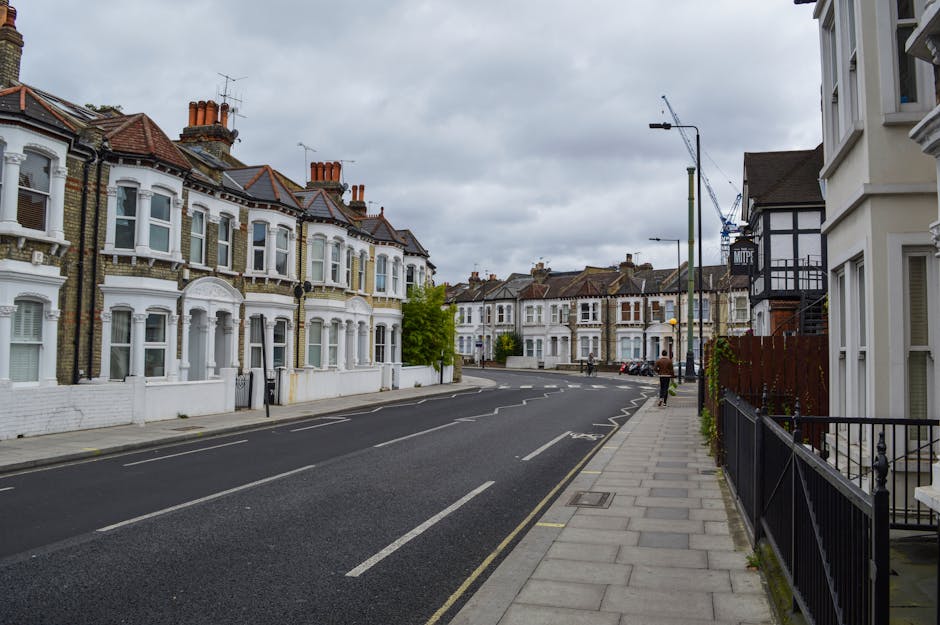
Removals at Putney Bridge: Narrow-Street Strategies

Moving near Putney Bridge can look straightforward on a map, then suddenly feel like a very different story once you are actually there. Tight side streets, parked cars, awkward turning points, narrow pavements, and the usual London pinch points can turn a simple removal into a small logistical puzzle. That is exactly why Removals at Putney Bridge: Narrow-Street Strategies matter so much. The right plan can save time, reduce stress, protect belongings, and make the whole day feel much calmer. Truth be told, a good move in this part of London is often less about brute force and more about timing, access, patience, and smart preparation.
In this guide, we will break down how narrow-street removals work, what to expect, which mistakes to avoid, and how to prepare properly. You will also find practical steps, a comparison table, a useful checklist, and answers to the questions people usually ask when the van has to thread its way through a tighter-than-comfortable street. If you are comparing services, it may also help to review removals and pricing and quotes early, so you know what level of support fits your move.
Let's face it, nobody wants move day to become a game of "where on earth can the van stop?"
Why Removals at Putney Bridge: Narrow-Street Strategies Matters
Putney Bridge sits in a part of London where streets can change character quickly. One moment you are on a wider route with reasonable access; the next, you are dealing with a road that feels too tight for comfort, especially if there are cars parked on both sides. That matters because removal work is not only about carrying boxes. It is about safely loading, unloading, parking, turning, and keeping everything moving without blocking the street or risking damage.
Narrow-street strategy is really a mix of practical choices. It can involve choosing the right vehicle size, selecting the best arrival window, planning where items will be staged, and deciding whether extra hands are needed to move furniture from the property to the vehicle. In a busy London setting, those details often decide whether the day runs smoothly or turns into one of those long, irritating afternoons where everyone is sweating and nobody is quite sure what is happening. Not ideal.
This matters even more if you are moving from a flat, a terraced property, or a home with limited frontage. The street may not allow easy double-parking, and the nearest legal stopping point may be farther away than you think. In practical terms, that can add carrying distance, extra time, and more physical strain. A solid narrow-street approach reduces that friction before it ever begins.
Expert summary: the best removals in tight Putney Bridge streets are rarely the fastest-looking ones at the start. They are the ones that were planned calmly, with access, parking, and lifting routes worked out in advance. Simple, but not always easy.
How Removals at Putney Bridge: Narrow-Street Strategies Works
A good narrow-street removal usually starts long before move day. The move planner or removal team will typically assess the property access, look at the street layout, and think through the vehicle and manpower needed. Sometimes this is done from photos or video; sometimes it needs a quick visit or a more detailed conversation. In our experience, the more honest the access information upfront, the better the outcome later. No one enjoys surprises when a wardrobe is halfway down a staircase.
The strategy often follows a simple logic:
- Assess access - identify tight corners, staircases, low kerbs, and any awkward entrance points.
- Choose the right vehicle - a smaller vehicle can sometimes outperform a larger one in narrow streets because it is easier to position safely.
- Plan the parking approach - think about loading distance, restrictions, and whether one vehicle can stay close enough for efficient unloading.
- Sequence the load - larger or fragile items may need to go first or last depending on access and the order of delivery.
- Use protection properly - door frames, banisters, floors, and furniture should be protected to avoid the little bumps that become big regrets.
- Keep the property clear - a tidy hallway, clean stairwell, and separated boxes make narrow access far more manageable.
For some moves, the strategy also includes communicating with neighbours or managing the timing around school runs, delivery windows, or peak traffic. That can sound minor, but on a street near Putney Bridge, a ten-minute delay can create a domino effect. You know how it goes: one bin lorry, one parked SUV, and suddenly everyone is waiting.
Many removals firms also pair the vehicle plan with packing support, which can reduce the number of awkward trips and the risk of damage. If you want a more complete moving setup, packing and unpacking services can be worth considering, especially for breakables, books, and anything that tends to shift around in transit.
Key Benefits and Practical Advantages
Narrow-street strategy is not just about making the mover's life easier. Done properly, it improves the whole experience for the customer too. The benefits are practical, immediate, and usually noticeable before the move even starts.
- Less wasted time: A well-planned loading point means fewer unnecessary carrying trips.
- Lower damage risk: Careful positioning and correct equipment reduce scrapes, knocks, and dropped items.
- Better control: When the route in and out is planned, the team can work methodically rather than improvising under pressure.
- Reduced stress: Clear timing and access planning make the day feel more manageable.
- Safer handling: Narrow stairs and tight pavements are much less risky when the team knows exactly what to expect.
- Improved neighbour relations: Minimising obstruction helps avoid complaints or friction on a busy street.
There is also a quieter benefit that people sometimes overlook: confidence. When you know your movers understand the local access constraints, the whole process feels more settled. You do not spend the morning worrying whether the van will fit or whether your sofa will end up stranded outside the building like an unclaimed parcel.
If your move includes bigger household items, it can help to compare options like house removals and man and van removals. For some narrow streets, a more compact setup is the smarter choice. For others, a full removal team is the better fit because the property layout demands more hands.
Who This Is For and When It Makes Sense
This kind of planning is useful for anyone moving in or around Putney Bridge where access is limited, but it is especially relevant in a few common situations.
- Flat moves on narrow residential streets: Shared entrances, stairwells, and on-street parking can make access awkward.
- House moves on terraced roads: Tight road widths and heavy parking pressure often mean the vehicle cannot stop exactly outside the door.
- Small business relocations: Office equipment, filing, and furniture often need careful timing to avoid disruption. In that case, office removals may be the right place to start.
- Families with large furniture: Sofas, beds, wardrobes, and white goods are difficult enough in a roomy driveway, let alone on a busy street.
- Last-minute moves: If the schedule is tight, narrow-street preparation becomes even more important because there is less room for error.
It also makes sense if you have expensive or delicate belongings. A piano, a glass dining table, or a large mirror needs more than enthusiasm and a van. It needs patience, route planning, and the kind of care that avoids the "that should be fine" approach. Spoiler: that approach is usually not fine.
For people moving within the local area, a service such as removals near me can be a practical starting point when you want something local and responsive, especially if access details need quick discussion.
Step-by-Step Guidance
Here is a practical way to handle removals in narrow Putney Bridge streets without turning the day into guesswork.
1. Survey the access before move day
Walk the route from the property to the street. Look at the width of the pavement, the gradient of the road, the number of steps, and any points where furniture may need to turn sharply. If you can, take photos. A quick video is even better because it shows how you move through the space, which is often where the hidden problem lives.
2. Be honest about the large items
Do not describe a king-size bed as "standard" if it is clearly not. The same goes for wardrobes, long sofas, and awkwardly shaped tables. The more accurate your inventory, the better the vehicle and crew planning will be.
3. Decide the best loading method
Some properties are best served by a direct vehicle-to-door load. Others need items staged inside first, then moved in timed runs. If the street is too tight for a full-size lorry, a smaller removal van can be a better fit. The goal is not to impress anyone with the biggest vehicle possible. The goal is smooth movement.
4. Protect the high-traffic areas
In tight spaces, door edges, bannisters, corners, and stair treads take the most punishment. Good protection keeps the move cleaner and the property safer. If you are moving between a flat and a lift lobby, these areas need special attention because one careless scrape can affect both the move and the deposit conversation afterward. Nobody wants that chat.
5. Build in timing buffer
London traffic, parking pressure, and service vehicles can all slow things down. A little extra time buffer is not weakness; it is common sense. If the move depends on a strict window, let the team know early so the plan can be built around that reality.
6. Load in the right order
Heavy, sturdy items are usually best handled first if they help create structure in the vehicle. Fragile goods should be packed and secured so they do not shift in transit. Good sequencing can save a lot of re-handling later, which is where damage often happens. Small detail, big difference.
7. Check the final clear-up
Before the team leaves, make sure nothing has been left in a hallway, on a landing, or at the property boundary. It sounds obvious. But on a move day, obvious things have a habit of disappearing from everyone's mind at exactly the wrong time.
Expert Tips for Better Results
These are the practical habits that tend to make the biggest difference on tight-street moves near Putney Bridge.
- Use smaller, smarter vehicles where needed: A compact van can sometimes save time if it can park properly and manoeuvre without drama.
- Split the load if the street is very restricted: In some cases, two smaller trips are more efficient than forcing one awkward oversized attempt.
- Pre-label boxes by room: It sounds basic, but it reduces unnecessary handling when the team is carrying items from the van to the property.
- Keep children and pets away from the loading route: Not just for safety, but because distractions slow everything down.
- Measure awkward furniture in advance: Width, height, and depth matter when stairs and corners are involved.
- Plan for rainy weather: A damp pavement or wet cardboard box can make handling unexpectedly awkward. London weather does like a bit of drama.
One small but useful trick: if the property has a tight entrance, clear the first room closest to the door before move day. That gives the team space to stage items neatly instead of creating a cluttered bottleneck. You will notice the difference almost immediately.
And yes, if you are wondering whether "I'll just wing it on the day" is a strategy, it is. But not a good one.
Common Mistakes to Avoid
A lot of move-day stress comes from avoidable errors. Most of them are simple, which is what makes them so annoying.
- Underestimating street width: A road that looks fine on paper may be much tighter once cars are parked along both sides.
- Ignoring loading restrictions: If there are time limits or parking controls, they need to be factored in early.
- Booking the wrong vehicle size: Too large can be awkward; too small can mean extra trips and longer carry time.
- Not checking stair access: Narrow stairs, bends, and low ceilings can make large furniture difficult to move.
- Poor packing: Loose items shift, break, and slow down handling.
- Leaving access details until the last minute: This is one of the biggest causes of delays, and it is so avoidable.
Another common issue is assuming that every removal company will automatically know the local area in enough detail. Some do, some don't. It is perfectly reasonable to ask how they approach tight streets, whether they have experience with similar moves, and what they would do if parking turns out to be more difficult than expected.
Practical rule of thumb: if access feels awkward to you, it probably feels awkward to the removal team too. The difference is that a good team will have a plan for it.
Tools, Resources and Recommendations
You do not need specialist equipment to plan a move well, but a few practical tools make a big difference.
- Measuring tape: Useful for furniture dimensions, doorways, stairs, and tight corners.
- Phone camera: Photos and short videos help explain access far better than a quick description.
- Sticky labels or marker pens: Great for room-by-room box organisation.
- Furniture covers and blankets: Essential for protecting surfaces during tight handling.
- Gloves with grip: Handy for carrying boxes and reducing slips on damp surfaces.
- Floor runners or protective sheets: Particularly useful in hallways and entrances.
If you are comparing service types, it can help to look at the broader options too. For example, man and van suits smaller, simpler moves, while home moves may be the better route for more complete household relocations. For local furniture-only jobs, furniture pick-up can also make sense when the item count is low but access is fiddly.
One useful recommendation is to keep a short access note ready before you book. Include the street name, any parking concerns, floor level, lift availability, and whether there are tight turns. That little note can save a surprising amount of back-and-forth later. It is a small thing. But small things matter here.
Law, Compliance, Standards, or Best Practice
For narrow-street removals in London, the practical side is often just as important as the legal side. You do not need to become a parking expert overnight, but you do need to respect local restrictions, loading rules, and safe working practices. Depending on the street and time of day, parking or loading may be restricted, so it is sensible to check the details well in advance rather than assume there will be space.
From a best-practice point of view, removals should be carried out with proper care for property, people, and public space. That includes safe lifting, sensible load distribution, good communication with the customer, and protecting floors, walls, and furniture where needed. If a move feels too tight for safe manual handling, a good team should pause and reassess rather than push through and hope for the best. Hope is not a system.
It is also sensible to understand what your removals provider covers in terms of insurance and safety procedures. For a local overview, you can review insurance and safety and the company's health and safety policy. If you are comparing firms more broadly, the firm's general approach to service quality, handling issues, and customer care also matters. In that respect, the information on about us and complaints procedure can help set expectations.
If a move involves waste, surplus packaging, or furniture that will not be reused, sustainability choices may also be relevant. Some households prefer to reduce landfill waste where possible, and a responsible removals process should at least consider reuse, recycling, and careful disposal. You can read more on recycling and sustainability if that matters to your move.
Options, Methods, or Comparison Table
Different moves around Putney Bridge call for different approaches. The best option depends on access, volume, timing, and how much hands-on help you want.
| Method | Best for | Strengths | Limitations |
|---|---|---|---|
| Man and van | Smaller moves, quick collections, compact street access | Flexible, practical, often easier to position in narrow roads | May not suit larger households or heavy item counts |
| Full removals team | Whole-home moves, multi-room loads, larger furniture | More hands, better for complex handling and stair work | Can require more coordination and planning |
| Furniture-only pickup | Single items or partial clearances | Efficient for isolated pieces, simpler to organise | Less suitable for full household relocations |
| Office relocation support | Business moves and equipment transfers | Helps minimise disruption and manage workstations | Needs careful scheduling and inventory control |
For many narrow-street situations, the most sensible answer is not "the biggest option available." It is the option that matches the street, the building, and the amount of lifting required. A smaller vehicle with the right support can often beat a larger setup that cannot stop where it needs to. Simple enough, really.
Case Study or Real-World Example
Imagine a typical move from a top-floor flat near Putney Bridge. The street is busy, parking is limited, and there are cars lined up on both sides by mid-morning. The resident has a sofa, a bed frame, several boxes of books, a mirror, and a few fragile kitchen items. On paper, it is a modest move. In reality, it is all about access.
Instead of arriving with a large vehicle and hoping for the best, the removal plan uses a compact van and a short carrying route. The heaviest items are loaded first once the team confirms a safe stopping point, while the fragile boxes are packed separately and kept secure. A couple of hallway corners are protected, and the client keeps the entrance clear the evening before. Nothing fancy. Just a well-thought-out sequence.
The move runs more smoothly because the team avoids constant repositioning. There are fewer stops, fewer awkward turns, and less chance of banging furniture into a wall or railing. The resident gets out on time, the team finishes without rushing, and the street is not blocked any longer than necessary. That is the kind of result people want, even if they do not always realise it before the move starts.
Sometimes the biggest success is simply a quiet, uneventful move. No drama. No dented table leg. No frantic phone call about where the van can park. Honestly, that is a good day.
Practical Checklist
Use this checklist before moving day to keep everything under control.
- Measure large furniture and note any awkward items
- Check stair width, hallway turns, and entrance clearance
- Take photos or a short video of the access route
- Confirm vehicle size and loading approach
- Ask about parking or stopping restrictions
- Label boxes by room and priority
- Protect fragile items separately
- Clear the entrance and main hallway in advance
- Set aside keys, documents, chargers, and essentials
- Keep pets and children away from the loading path
- Review insurance and safety information
- Allow extra time for traffic or access delays
Quick takeaway: if you get the access planning right, most of the stress drops away. It is one of those moving jobs where preparation really does do the heavy lifting.
Conclusion
Removals at Putney Bridge: Narrow-Street Strategies are about much more than getting a van from A to B. They are about access, timing, communication, and understanding the quirks of a busy London environment. Narrow streets are not a problem on their own; they just demand a better plan. When you think through parking, vehicle size, carrying routes, and protection for your belongings, the move becomes more controlled and far less stressful.
If you are preparing for a move in this part of London, choose a service that respects the local layout, asks the right questions, and treats planning as part of the job rather than an afterthought. That is the difference between a day that feels chaotic and a day that simply gets done. And let's be honest, done well is what most of us are really after.
Get a free quote today and see how much you can save.
Frequently Asked Questions
What makes removals near Putney Bridge more difficult than other London areas?
The main challenge is access. Narrow streets, limited parking, busier traffic patterns, and tight turning spaces can all make loading and unloading more complicated than in areas with wider roads or driveways.
Do I need a smaller van for a narrow street?
Not always, but often yes. A smaller van can be easier to position safely and may reduce the time spent hunting for a suitable stopping point. The right choice depends on the amount of furniture, the street width, and how close the vehicle can get to the property.
How far in advance should I plan a narrow-street move?
As early as possible. Even a simple move benefits from advance planning, especially if parking, stair access, or traffic timing could affect the day. A few good photos and a clear inventory can make a big difference.
What information should I give the removals company?
Share the property floor level, stair details, street name, parking restrictions, large-item dimensions, lift access, and any awkward access points. The more accurate the details, the easier it is to plan properly.
Can removals be done safely on a busy road?
Yes, if the team plans the access carefully and works within local restrictions. Safety depends on positioning, timing, manual handling, and good communication. If the space feels too tight, the plan should be adjusted rather than forced.
Are packing services useful for narrow-street removals?
Very often, yes. Proper packing makes items easier to carry, stack, and protect in transit. It can also reduce the number of trips in and out of the property, which helps on tight streets.
What if the van cannot park outside my home?
That happens quite often in London. The team may need to stop a short distance away and carry items the rest of the way. The key is to plan for that extra distance in advance so the schedule remains realistic.
Is it better to book man and van or a full removals team?
For smaller, simpler loads, man and van can be a practical choice. For larger homes, bulky furniture, or awkward stairs, a fuller removals service is usually more efficient and less stressful.
Should I worry about insurance and damage cover?
It is sensible to ask. You should always understand how a provider handles safety and insurance before move day. That does not mean expecting problems; it just means being prepared and informed.
How can I make move day quicker on a narrow street?
Clear the entrance, label boxes, protect fragile items, and confirm access details ahead of time. A tidy route from the property to the van saves a surprising amount of time. A few minutes here and there add up fast.
What are the most common mistakes people make with narrow-street removals?
The biggest mistakes are underestimating parking issues, misjudging the size of furniture, and leaving access planning too late. Those three things create most of the avoidable stress, and they are usually preventable with a bit of preparation.
Can narrow-street strategies help with office moves too?
Yes. Office relocations often involve equipment, filing, and time-sensitive scheduling, so access planning matters just as much. For that kind of move, office relocation services may be a better fit than a basic transport-only approach.
What if I only need to move one or two large items?
Then a smaller, targeted solution may be ideal. Furniture-only services can be more efficient for a single sofa, bed, or table, especially when access is the main issue rather than volume.
How do I know if my street is too tight for a large vehicle?
If parking is already heavily restricted, the road is lined with vehicles, or there is little room for turning, that is a sign to reassess vehicle size. Photos and a quick discussion with the removals provider usually clarify it fast.
Moving near Putney Bridge does not have to feel complicated. With the right access plan, the right vehicle, and a calm approach, even a narrow street can be handled neatly, and that peace of mind is worth quite a lot.