Moving with stairs in Victorian Putney homes: Tips
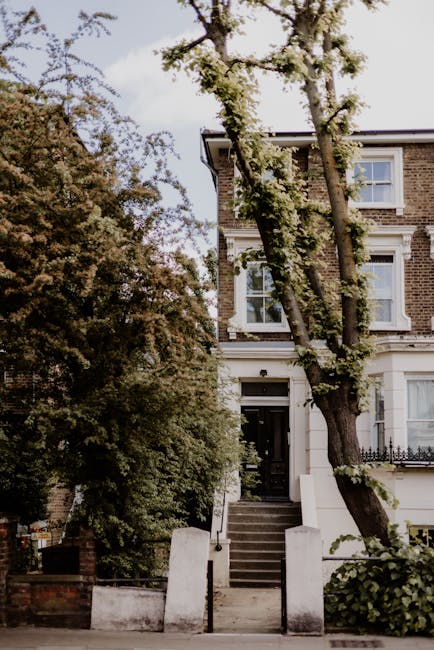
Victorian homes in Putney have a lot going for them: tall ceilings, period details, sash windows, and that lovely sense of character. The one thing they rarely make easy is moving furniture up and down the stairs. If you are planning a move in one of these houses or flats, the staircase can quickly become the part everyone worries about. Tight turns, shallow landings, creaky treads, awkward banisters, and narrow hallways can turn a straightforward move into a bit of a battle.
This guide brings together practical, real-world advice for moving with stairs in Victorian Putney homes. You will find tips on planning, measuring, packing, protecting walls, handling bulky items, and deciding when it makes sense to bring in professional help. It is written for people who want to avoid damage, reduce stress, and keep the day moving without the usual chaos. Let's face it, nobody wants a sofa stuck halfway on the landing.
If you are still comparing options, it can also help to look at broader removal services, or specific support like flat removals and home moves, especially if your Victorian property has an unusually tight staircase or multiple floors.
Table of Contents
- Why moving with stairs in Victorian Putney homes matters
- How the process works
- Key benefits and practical advantages
- Who this is for and when it makes sense
- Step-by-step guidance
- Expert tips for better results
- Common mistakes to avoid
- Tools, resources and recommendations
- Law, compliance, standards, and best practice
- Options and comparison table
- Case study or real-world example
- Practical checklist
- Conclusion
- Frequently Asked Questions
Why Moving with stairs in Victorian Putney homes: Tips Matters
Victorian staircases are beautiful, but they were not designed around modern wardrobes, king-size mattresses, American-style fridges, or a stack of moving boxes that somehow all became heavier at the same time. In Putney, you will often find homes where the stairs are steep, the turns are tight, and the landing space is minimal. Sometimes there is a split-level layout. Sometimes the banister sits just where the wardrobe needs to go. Sometimes there is barely room for two people to pass, which is awkward on a good day and properly annoying on moving day.
That is why staircase planning matters. A move can go wrong in small ways that add up fast: scratched walls, chipped paintwork, strained backs, damaged furniture, and delays that make everyone tired and cross. The good news is that most of these problems are avoidable with a bit of planning. Not perfect planning. Just sensible, calm, grown-up planning.
There is also a financial side to it. Damage to a stair wall, banister, or antique furniture can cost more to fix than many people expect. And if you are moving out of a rental, keeping the stairwell in good condition matters even more. A careful move protects your deposit, your belongings, and your nerves. Simple, really, but worth saying.
Expert summary: In Victorian Putney homes, the staircase is often the bottleneck. Measure first, protect surfaces early, and move awkward items with a clear plan rather than improvising on the day.
How Moving with stairs in Victorian Putney homes: Tips Works
At its simplest, moving with stairs is about matching the size and shape of your belongings to the space available. But in practice, it is a sequence of decisions: what goes first, what needs dismantling, which route is safest, and whether the item should go up, down, or through a different entrance altogether. The staircase usually decides the order of the move, not the other way round.
In a Victorian home, the move often starts with measuring. You need the width of the narrowest point, the height of the stairwell at turns, the depth of landings, the angle of any turns, and the size of your bulkiest items. A tape measure and a little patience go a long way here. If a piece looks doubtful, assume it is doubtful until proven otherwise. That sounds cautious, and it is. But cautious is better than stuck.
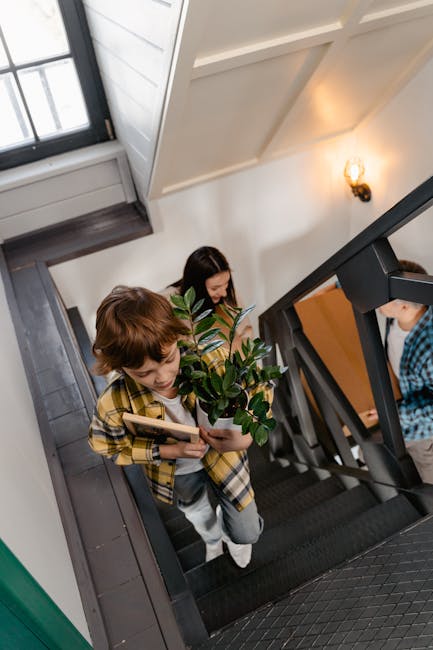
Once measurements are done, the practical work begins. Furniture may need dismantling. Doorways may need freeing up. Loose rugs should be removed. Walls and corners should be protected. Then comes the movement itself, which works best when there are enough people, enough grip, and enough space for careful turning. If an item needs to be carried up a flight of stairs, you want the people lifting to be clear on who leads, who follows, and when to pause.
Many families in Putney choose support from a man with van service for smaller loads, or a fuller man and van option when the staircase, the volume of items, and the time pressure all make a solo move unrealistic. For larger or more delicate jobs, house removals or experienced house removalists can make a very noticeable difference.
Key Benefits and Practical Advantages
Good staircase planning is not just about avoiding disaster. It can genuinely make the whole move better. You move faster because you are not stopping to improvise. You protect the property because you have already thought through the awkward corners. You protect your furniture because you have chosen the right angle, wrapping, and handling method. And perhaps most importantly, you reduce the emotional drain of the day. Moving is tiring enough without having to wrestle a wardrobe through a Victorian turn halfway up the stairs.
- Less damage: Walls, corners, handrails, and skirting boards stay better protected.
- Safer lifting: Clear routes and planned turns reduce strain and slips.
- Faster progress: Less stop-start movement means fewer delays.
- Better furniture protection: Fragile legs, corners, and finishes are handled more carefully.
- Lower stress: Everyone knows the plan, which keeps the mood much calmer.
There is also a confidence benefit. Once you know the staircase can be managed, the rest of the move feels less intimidating. That matters in older Putney properties where the stairs can look tighter from one angle, then even tighter when you are holding a mattress.
If your move also involves furniture you no longer want, it is worth combining the process with furniture removals or a planned furniture pick up so you are not cluttering the stair route with items that should have gone earlier.
Who This Is For and When It Makes Sense
This advice is for anyone moving in or out of a Victorian property in Putney where stairs are part of the challenge. That includes owners, tenants, landlords arranging a changeover, and families helping older relatives move. It also applies if you are shifting one heavy item rather than an entire house. A dining table does not become easier just because it is only one item. In fact, sometimes it is more awkward because people underestimate it.
It makes particular sense if you are dealing with:
- steep staircases with small landings
- narrow hallways leading to stairs
- older banisters or delicate period finishes
- heavy furniture, such as wardrobes, sofas, or chests of drawers
- bulky items that cannot be turned easily
- multi-storey houses where items need to be carried repeatedly
If you are moving a piano, that is a different level of planning again. The weight, shape, and sensitivity to movement mean it should be treated as specialist work, not a standard carry. In those cases, piano removals is the kind of service you want to look at first, not after someone has already said, "We'll just give it a go." That phrase has caused enough problems for one lifetime.
For office or mixed-use properties in Victorian buildings, you might also need office removals or commercial moves planning if equipment has to travel up or down stairs safely.
Step-by-Step Guidance
1. Measure the staircase and the items
Start by measuring the narrowest parts of the route. That means not just the staircase itself, but the doorway to the stairs, the landing turns, and any places where a handrail or wall reduces space. Measure your biggest pieces too. Take note of their height, width, and depth once wrapped. If a sofa is 86 cm wide before wrapping, it may suddenly feel a lot less friendly once blankets, straps, and a determined mover are involved.
2. Decide what must be dismantled
Some items are easier to move in sections. Beds, wardrobes, shelving units, and dining tables often benefit from being partially taken apart. Keep screws, bolts, and fittings in labelled bags. A tiny bit of organisation here saves a lot of muttering later. If you are using packing and unpacking services or doing the packing yourself with packing and boxes, keep the furniture hardware with the right item, not just somewhere "safe". Somewhere safe has a habit of becoming nowhere at all.
3. Clear the route completely
Remove shoes, baskets, lamps, rugs, and anything else that narrows the path. Open doors fully if they need to stay open. Check if there are paintings, mirrors, or wall lights that could be clipped on the way through. In older homes, even a small protrusion can create a problem. This is one of those moments where a hallway that looks fine on normal days suddenly feels like a corridor in a ship.
4. Protect the staircase and walls
Use removable protection on vulnerable spots, especially corners and rail edges. You do not need a fortress. You do need enough protection to absorb an accidental bump. A Victorian property often has more character than spare paintwork, so it is worth being careful. If you are renting, this step becomes even more important because scuffed plaster is the sort of thing everybody notices after the move, not before it.
5. Assign roles before lifting
One person leads. One or more people support. Someone watches the turns and calls out clear instructions. The key is consistency. If every person gives directions at once, everything gets messy very quickly. Simple language works best: stop, pivot, lift, pause, down. No speeches. No overthinking. Just steady communication.
6. Move the heaviest items first, if the route allows
There is no universal rule here, but often the biggest items are easiest to move when the route is freshest and the team has more energy. That said, sometimes it makes more sense to begin with lighter items to test the route and protect the floor. Use judgement. Victorian homes can be quirky, and you will usually notice the trickiest spot only when you are actually approaching it.
7. Check, adjust, and repeat
After each major item, pause and inspect the route for damage, obstructions, or damp patches from weather. Putney rain has a way of making stair treads slicker than they looked ten minutes earlier. If something feels unsafe, stop and reset. There is no prize for forcing a difficult item through a narrow space on stubbornness alone.
Expert Tips for Better Results
The best advice tends to be the least glamorous. Measure twice. Wrap once. Move slowly. Keep the route clear. Truth be told, that boring-sounding approach is what saves the most time.
- Use proper moving blankets: They are better than random towels and less likely to slip.
- Wrap corners separately: Table legs, mirror edges, and wardrobe corners are the usual casualties.
- Keep fingers clear of pinch points: Victorian stair bends can trap hands if people rush.
- Wear shoes with grip: Flat, secure footwear is far better than anything slippery or loose.
- Communicate before each turn: Turnings are where most accidents happen.
- Use straps carefully: Helpful, but only if the team knows how to use them.
- Think about timing: Early morning starts often mean less fatigue and fewer interruptions.
A small but useful tip: if your staircase has a narrow middle where the banister meets the opposite wall, try angling the item before you get there rather than trying to twist it at the tightest point. That one adjustment can save a surprising amount of effort. Also, do not be shy about taking a break. A 30-second pause on the landing beats a scratched wall and a bruised shin, any day.
If you are moving without a large team, a removal van setup or a carefully scheduled removal services booking can be more realistic than trying to improvise with a smaller car and too many back-and-forth trips.
Common Mistakes to Avoid
People usually make staircase moving harder by underestimating the route. That is the big one. But there are a few smaller mistakes that show up again and again.
- Skipping measurements: Guessing is risky, especially with tall Victorian stairwells and awkward turns.
- Forgetting to protect the property: One careless scrape can undo all the careful packing.
- Trying to carry oversized furniture without checking angles: If it looks too tight, it probably is.
- Not labelling dismantled parts: Reassembly becomes a puzzle nobody asked for.
- Using too few people: A heavy item carried by one underprepared person is asking for trouble.
- Rushing the staircase turns: This is where items get chipped, dropped, or wedged.
- Ignoring the weather: Wet shoes and slick steps are a poor combination.
Another common issue is ordering the move around the furniture instead of the staircase. In a Victorian Putney house, the stairs often set the limit. If a wardrobe cannot turn at the landing, no amount of optimism changes that. It sounds obvious when written out. On moving day, though, people still try.
Tools, Resources and Recommendations
You do not need a warehouse of equipment, but a few sensible tools make life much easier. Think practical rather than impressive.
| Tool or item | Why it helps | Best used for |
|---|---|---|
| Steel tape measure | Gives exact staircase and furniture dimensions | Planning the route |
| Moving blankets | Protects furniture and walls from knocks | Large or delicate items |
| Furniture straps | Helps control weight and grip | Team lifts and careful turns |
| Labelled bags | Keeps bolts, screws, and fittings together | Dismantled furniture |
| Floor protection | Reduces scuffs and dirt transfer | Hallways and stair treads |
| Gloves with grip | Improves handling confidence | Most furniture moves |
For larger moves, it is also worth thinking about whether you need short-term storage. That can be a lifesaver if the new place is not ready, or if the staircase means you want to move in items in phases rather than all at once.
And if the move turns into an urgent one, same day removals may be worth considering, though the staircase planning still matters just as much. Urgency does not make staircases wider. Annoyingly.
Law, Compliance, Standards, or Best Practice
For most household moves, the main compliance concerns are practical rather than heavily legal. You are generally focused on safety, property care, and sensible handling. That said, UK moving jobs still sit within normal duties of care, especially where workers, customers, and property may be affected. Good practice means lifting safely, keeping routes clear, not overloading people, and using equipment correctly.
If you are arranging a professional move, it is sensible to ask how the company handles safety, insurance, and complaints before the day arrives. That is not being difficult; that is being prepared. Good providers should be able to explain their approach plainly. You can read more about that kind of reassurance through the company's insurance and safety information and its health and safety policy.
For tenants and landlords, protecting the condition of shared stairwells matters too. Victorian buildings often have common areas, and even when the move is private, the responsibility to avoid damage still sits with the people moving. In practical terms, that means protecting walls, cleaning up debris, and being considerate with noise and access. A quiet, tidy move usually gets remembered better than a loud one.
If you are comparing movers, it also helps to look at pricing and quotes carefully. Not every quote includes the same level of support, and staircase-heavy jobs can vary more than people expect. Clear wording, clear expectations, no surprises. That is the goal.
Options, Methods, or Comparison Table
There are a few different ways to handle stairs in a Victorian Putney move. The best one depends on the furniture, the property, and how much time and help you have.
| Approach | Best for | Pros | Limits |
|---|---|---|---|
| DIY with friends | Small moves, lighter furniture, short staircases | Flexible, low cost, familiar help | Less experience, higher risk with bulky items |
| Man and van | Medium moves, local relocations, mixed loads | Good balance of support and cost | May still need careful dismantling and planning |
| Full removals team | Larger homes, heavy furniture, awkward Victorian stairs | More control, better handling, less stress | Usually the higher-cost option |
| Specialist item move | Pianos, antiques, fragile or unusually shaped items | Specific handling expertise | Not suitable for ordinary box-only moves |
To be fair, there is no single best option for everyone. A third-floor Victorian flat in Putney with a tight stairwell and no lift will not behave like a modern apartment block. The staircase is the deciding factor more often than people expect. If the item is awkward, valuable, or likely to need repositioning several times, getting extra support is often the calmer choice.
Case Study or Real-World Example
A typical local scenario goes like this. A couple moving out of a Victorian terrace in Putney has a sofa, a wardrobe, two bookcases, and a bed frame to get down a narrow staircase. On paper, it sounds manageable. In reality, the landing turn is tighter than expected, one banister sits close to the wall, and the wardrobe is just a little too tall to move cleanly upright.
What worked was not strength, but preparation. The team measured the stairwell before moving day, dismantled the wardrobe in advance, protected the wall corners, and moved the sofa on blankets with two people guiding the turns. They left the bed frame until the route was clear and had all the bolts bagged and labelled. Nothing dramatic. No heroics. Just a sensible sequence.
The biggest difference was the pause before each turn. That tiny habit kept the move calm. You could hear the tap of shoes on the stairs, the rustle of protective covers, and then a short "right, steady" before each lift. Honestly, that kind of move feels almost boring while it is happening, which is exactly what you want. Boring is good. Boring means safe.
For moves like this, a local team that understands Victorian properties can be more valuable than a larger but less flexible approach. If your move is straightforward, a man with a van might be enough. If it is more demanding, a fuller team from removal companies may be the smarter call.
Practical Checklist
- Measure the staircase, landings, and narrowest turning points.
- Measure your biggest items after any wrapping or protection is added.
- Decide what should be dismantled before moving day.
- Label screws, bolts, and fittings clearly.
- Clear hallways, rugs, loose items, and anything fragile near the route.
- Protect walls, corners, banisters, and floors.
- Assign one person to lead the move and give clear instructions.
- Wear secure footwear with good grip.
- Keep moving blankets, straps, and tape close to hand.
- Plan pauses for tight turns and awkward landings.
- Check weather and floor conditions before starting.
- Consider professional help for bulky, heavy, or valuable items.
Conclusion
Moving with stairs in Victorian Putney homes is rarely effortless, but it does not need to be chaotic. The homes are characterful, the staircases are often narrow, and the furniture never seems to get lighter. Still, with careful measuring, sensible packing, clear communication, and the right level of help, the move becomes much more manageable. That is really the heart of it.
The best outcomes usually come from people who treat the staircase as part of the plan from the very beginning. Not as an obstacle to deal with later. Not as a problem to "see on the day". Just part of the job. Once you think that way, everything gets calmer.
If you want to move with less stress, protect your home, and avoid the usual stair-related drama, take the time to plan properly and choose support that fits the property, not just the price tag. It makes a difference, honestly.
Get a free quote today and see how much you can save.
Frequently Asked Questions
How do you move furniture up narrow stairs in a Victorian house?
Start by measuring the furniture and the staircase, then dismantle anything that can be taken apart safely. Use blankets, straps, and a clear lifting plan. On tight turns, move slowly and avoid forcing the item through. If it still looks too awkward, it probably is.
What is the hardest item to move on Victorian stairs?
Wardrobes, sofas, mattresses, and pianos usually cause the most trouble because they are large, awkward, or hard to tilt. Tall furniture with fixed frames is especially tricky on narrow landings. A little extra planning makes a big difference.
Should I hire movers for a stair-heavy Putney property?
If the staircase is narrow, steep, or full of tight turns, professional help is often worth it. A local mover with experience of period homes can save time and reduce the risk of damage. For larger moves, the support is usually well worth considering.
How can I protect walls and banisters during the move?
Use moving blankets, corner guards, and floor protection around the route. Make sure everyone knows where the tight spots are before lifting begins. It is easier to prevent a knock than to repair chipped paint later.
Do I need to dismantle my bed or wardrobe before moving?
Often, yes. Beds, wardrobes, and shelving units are much easier to carry in smaller parts. It also reduces the chance of getting stuck halfway up a staircase. Keep all fittings labelled so reassembly does not become a scavenger hunt.
What should I measure before moving in a Victorian home?
Measure the width of stairs, the height at turns, landing space, doorway clearances, and the dimensions of your bulkiest furniture. Do not forget wrapping or blankets, because they add size too. Those extra centimetres can matter a lot.
Is it safer to move furniture upstairs or downstairs first?
That depends on the property and the item. In some homes it is easier to bring large items up first while everyone is fresh. In others, starting with lighter items helps test the route. The safest approach is the one that suits the stair shape and the team on the day.
What if my furniture just will not fit around the stairs?
If the item will not turn safely, stop and reassess rather than forcing it. Dismantling, removing doors, or using a different route may help. If none of that works, a specialist move or short-term storage can be the better answer.
Can a man and van service handle staircase moves?
Often yes, especially for medium-sized moves or fewer items. It depends on the amount of furniture, the weight of the items, and how awkward the stairs are. For a property with very tight Victorian turns, a larger team may be more efficient.
How do I keep moving day less stressful in a stair-filled house?
Plan early, pack clearly, protect the route, and give each person a role. Keep drinks, gloves, tape, and tools nearby so you are not running around looking for basics. Calm, steady moves tend to go best. Funny how that works.
Are there special considerations for rented Victorian flats?
Yes. You will want to avoid damage to common stairwells, banisters, and walls, because those areas often affect your deposit or handover inspection. Being tidy and careful matters a lot in shared buildings. In many cases, it is simply part of being a good neighbour too.
What is the best time of day to move in a period property?
Earlier in the day is often easier because everyone has more energy and there is less disruption. It also gives you more time to deal with unexpected delays. Moving in the morning is not magical, but it does usually feel less fraught.
Should I use storage if the stairs are too difficult on moving day?
Storage can help if you need to move in phases, if the furniture is too awkward for immediate placement, or if the new home is not fully ready. It gives you breathing room, which can be surprisingly valuable in a Victorian property. Sometimes the calm option is the smart option.